Peak Expeditions in Nepal
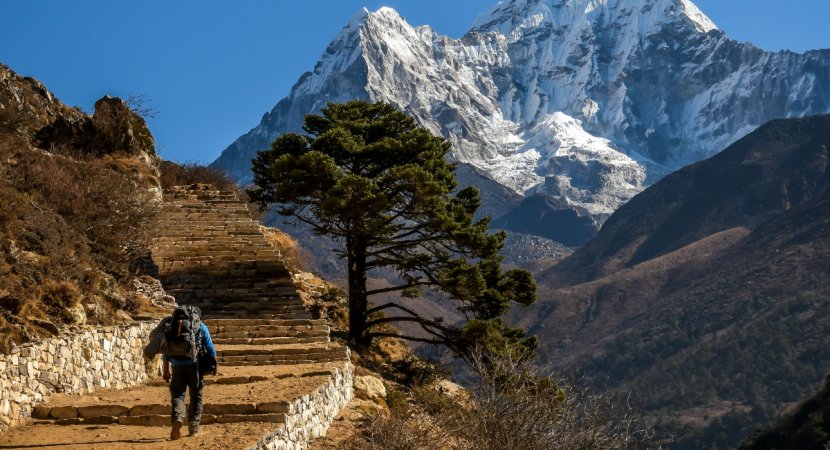
Nepal is home to some of the world’s highest and most iconic mountains, making it a premier destination for mountaineers and high-altitude adventurers. The country boasts eight of the world’s fourteen 8,000-meter peaks, including Mount Everest, Kanchenjunga, and Lhotse. These legendary giants attract climbers from across the globe, offering everything from extremely technical expeditions for elite mountaineers to well-established trekking peaks ideal for beginners taking their first step into high-altitude climbing.
Beyond the giants, Nepal also offers numerous trekking peaks such as Island Peak, Mera Peak, and Lobuche East. These peaks are perfect for adventurers who want a true mountaineering experience without the extreme risks of 8,000-meter expeditions. With dramatic landscapes, expert Sherpa support, and world-class climbing routes, peak expeditions in Nepal deliver challenge, achievement, and lifelong memories.
Major High Peaks and Expeditions
- 8,000-Meter Peaks
- Mount Everest (8,848.86 m) The highest peak on Earth, located in the Solu-Khumbu region of Nepal. Everest is the ultimate goal for many mountaineers and represents the pinnacle of high-altitude climbing.
- Kanchenjunga (8,586 m) The third highest mountain in the world, situated on the border between Nepal and Sikkim (India). Known for its remote location, stunning beauty, and challenging terrain.
- Lhotse (8,516 m) Located close to Everest, Lhotse is famous for its steep faces and technical difficulty, making it a demanding climb even for experienced mountaineers.
- Makalu (8,485 m) A striking pyramid-shaped peak in the Mahalangur range, known for its sharp ridges and difficult ascents.
- Cho Oyu (8,188 m) Situated near the Nepal–Tibet border, Cho Oyu is considered one of the more achievable 8,000-meter peaks and is popular among climbers progressing toward higher summits.
- Dhaulagiri I (8,167 m)Located entirely in Nepal, Dhaulagiri is renowned for its rugged beauty, steep slopes, and demanding climbing conditions.
- Manaslu (8,163 m) Found in the Mansiri Himal range, Manaslu is a popular alternative to Everest, offering a challenging yet comparatively accessible 8,000-meter expedition.
- Annapurna I (8,091 m) Famous for its extreme difficulty and high risk, Annapurna I is known as one of the most dangerous mountains to climb due to avalanches and unpredictable weather.
Note:
K2 (8,611 m) is the world’s second-highest peak, located in the Karakoram Range of Pakistan, not Nepal. However, it is often mentioned alongside Nepal’s great peaks due to its significance in Himalayan mountaineering.
Popular Trekking Peaks in Nepal
- Island Peak (6,189 m) Also known as Imja Tse, Island Peak is one of the most popular trekking peaks in Nepal and an excellent introduction to high-altitude mountaineering.
- Mera Peak (6,476 m) Located in the Makalu Barun region, Mera Peak is the highest trekking peak in Nepal, famous for its panoramic views of Everest, Makalu, Lhotse, and Kanchenjunga.
- Lobuche East (6,119 m) A technical trekking peak in the Khumbu region, often used as a training climb for future 8,000-meter expeditions.
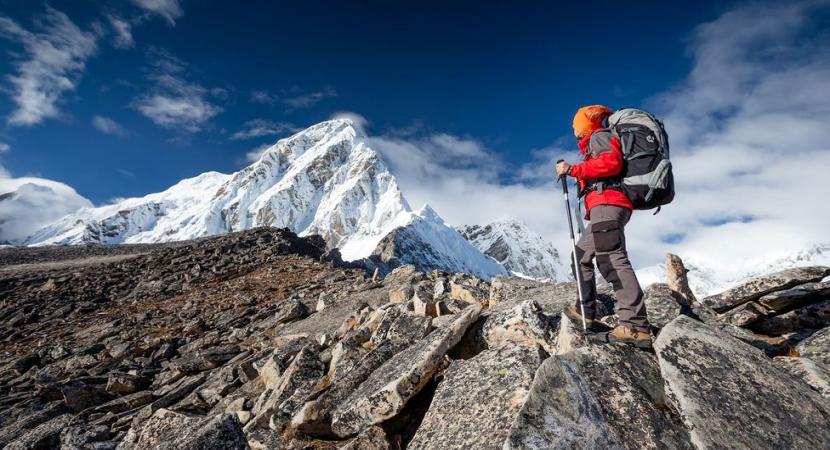
- Pumori (7,161 m) Located near Everest Base Camp, Pumori is a challenging yet rewarding peak offering dramatic views of the Khumbu Glacier.
- Chulu East (6,584 m) Situated in the Annapurna region, Chulu East is a demanding trekking peak known for its alpine environment and stunning Himalayan scenery.
Why Peak Expeditions in Nepal Are Unforgettable
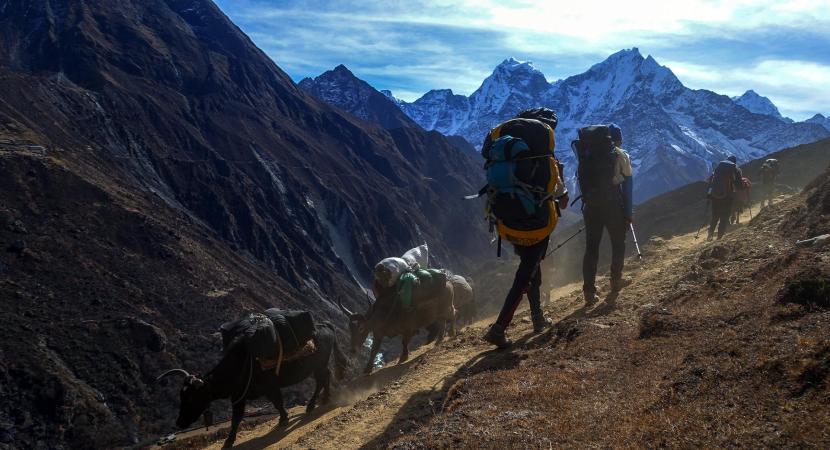
Peak expeditions in Nepal offer more than just reaching a summit—they provide a deep connection to the Himalayas, local culture, and personal endurance. Climbers journey through remote valleys, traditional Sherpa villages, and breathtaking alpine landscapes while testing their physical and mental limits. With expert guidance, established routes, and some of the world’s most spectacular mountain scenery, Nepal remains one of the finest destinations on Earth for both elite mountaineers and aspiring climbers.